
Have you ever wondered why you react a certain way when your partner does not text you back immediately? Or why some people crave constant closeness, while others completely shut down and push people away when things get too serious? The deeply fascinating answer lies in human psychology.
Understanding your attachment styles in adult relationships is currently the biggest, most viral trend in modern mental health and intimacy psychology. It is the absolute key to unlocking why you love the way you do. In this comprehensive, deeply insightful guide, we are going to explore the psychology behind human connection and reveal four amazing secrets to building a secure, long-lasting romantic bond.
What Are Attachment Styles in Adult Relationships?
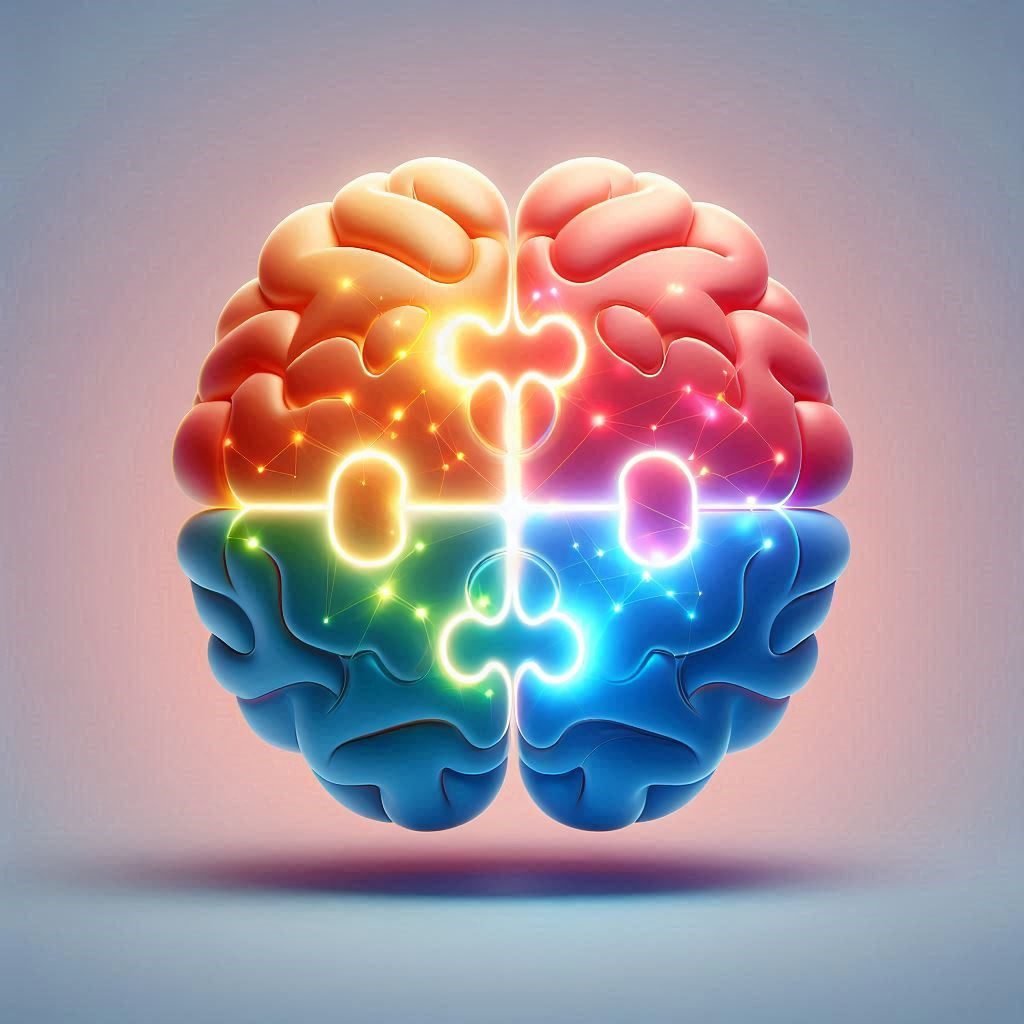
To completely understand your romantic life today, you have to look back at the past. The concept of attachment theory was first developed by British psychologist John Bowlby in the 1950s. He discovered that the way human beings form emotional bonds as infants with their primary caregivers directly shapes how they will behave in romantic partnerships decades later.
Simply put, attachment styles in adult relationships are your specific patterns of how you perceive, respond to, and interact with romantic intimacy. It dictates your deep-rooted fears of abandonment, your comfort level with emotional closeness, and how you mentally process relationship conflicts.
If you want to read the deep, clinical history behind this fascinating psychological framework, you can read the official research published by the American Psychological Association (APA).
The 4 Main Attachment Styles Explained
Psychologists generally categorize human bonding behavior into four distinct types. Identifying which one you and your partner fall into is the first massive step toward profound emotional healing and better mental health.
1. Secure Attachment (The Goal)
People with a secure attachment style feel highly comfortable with intimacy and are usually warm, loving, and trusting. They do not excessively panic if their partner needs personal space, and they do not run away when emotional conflicts arise. They communicate their daily needs honestly and clearly, without playing manipulative mind games. This is the healthiest form of emotional bonding.
2. Anxious-Preoccupied Attachment (The Over-Thinker)
If you constantly worry that your partner does not love you as much as you love them, you might have an anxious attachment style. These individuals crave extreme emotional closeness but are terrified of being abandoned. They often over-analyze tiny changes in their partner’s tone of voice or text messages. This constant worry can lead to severe relationship anxiety and mental exhaustion.
3. Dismissive-Avoidant Attachment (The Independent)
People with an avoidant attachment style equate emotional intimacy with a loss of personal freedom. When a relationship gets too close or too serious, they instinctively pull away, become emotionally distant, or focus heavily on their careers instead of their partner. They mistakenly believe that relying on someone else is a sign of weakness.
4. Fearful-Avoidant Attachment (The Conflicted)
This is the rarest and most complex of the attachment styles in adult relationships. Individuals with this style desperately want emotional closeness, but they are simultaneously terrified of getting hurt or betrayed. They often push their partners away, only to pull them back in again, creating a highly confusing and stressful emotional rollercoaster.
4 Amazing Secrets to Healing and Building Secure Intimacy

The greatest news in intimacy psychology is that your attachment style is not a permanent life sentence. Your brain exhibits neuroplasticity, meaning you can actually rewire your emotional responses over time. Here are four amazing psychological secrets to help you shift toward a healthier, more secure dynamic.
Secret 1: Practice Radical Self-Awareness
You cannot fix what you do not understand. Start observing your own emotional triggers without judging yourself. When you feel the sudden urge to angrily text your partner or the urge to run away from a difficult conversation, pause for a moment. Ask yourself: “Is this my attachment style reacting, or is this a real problem?”
(Note to User: Insert your INTERNAL LINK here. Example: “If you want to read more about maintaining a healthy mindset and self-awareness, check out our recent article on Family Planning & Safe Sex Education
Secret 2: Date Someone With a Secure Attachment
One of the fastest, most effective ways to heal an insecure attachment style is to be in a long-term relationship with someone who is naturally secure. A secure partner provides a consistent, calm, and highly predictable environment. Over the years, their steady emotional availability literally rewires your nervous system to feel safe and relaxed in love.
Secret 3: Communicate Your Needs, Not Your Fears
Anxious and avoidant individuals often communicate through anger or silence. Instead of saying, “You never spend any time with me,” which triggers an argument, try saying, “I feel incredibly loved and connected to you when we spend quiet evenings together.” Shifting your language from blame to vulnerability completely transforms intimacy psychology.
Secret 4: Invest in Professional Couples Therapy
Rewiring decades of psychological programming is heavy work. There is absolutely no shame in seeking professional help. A licensed therapist can help you identify blind spots in your attachment styles in adult relationships and teach you highly effective, science-based coping mechanisms for moments of high relationship stress.
The Impact on Your Overall Mental Health
Why is this topic going incredibly viral worldwide? Because people are finally realizing that relationship stress is the number one destroyer of mental health. When your romantic life is in a state of constant anxiety or emotional distance, it dramatically spikes your daily cortisol (stress hormone) levels.
This chronic stress leads to sleep deprivation, poor work performance, and clinical depression. Conversely, achieving a secure attachment style acts as a powerful biological shield. It boosts your immune system, stabilizes your daily mood, and gives you the profound mental clarity needed to achieve your biggest life goals.
Conclusion
Understanding your attachment styles in adult relationships is the ultimate key to breaking toxic cycles and building the love life you truly deserve. It requires a tremendous amount of honesty, courage, and a deep willingness to look at your own emotional wounds.
By practicing radical self-awareness, changing how you communicate, and prioritizing your overall mental health, you can completely transform your relationship dynamic. Remember, secure intimacy is not something you magically find; it is something you actively build, one healthy conversation at a time. Share this psychological guide with your partner today and start the conversation!
Credited By: Kati Morton