Understanding the complexities of Reproductive Health for Men and Women is a cornerstone of overall biological wellness. It is not merely about the absence of disease or the ability to procreate; it is a state of complete physical, mental, and social well-being in all matters relating to the reproductive system. In a world where environmental toxins, high stress, and poor dietary habits are prevalent, taking proactive steps to safeguard your reproductive vitality is more critical than ever.
The science of Reproductive Health for Men and Women encompasses everything from hormonal regulation and fertility to the prevention of reproductive tract infections. By educating yourself on the factors that influence your reproductive system, you empower yourself to make informed decisions that will impact your quality of life and that of your future generations. This extensive guide provides 13 essential, science-backed tips to master your reproductive wellness.
1. The Biological Importance of Reproductive Health for Men and Women
The reproductive system is one of the most sensitive systems in the human body. For both genders, Reproductive Health for Men and Women is deeply linked to the endocrine system, which manages hormones. When these hormones are out of balance, it doesn’t just affect fertility—it affects energy levels, bone density, and even cardiovascular health.
Maintaining optimal Reproductive Health for Men and Women ensures that the body can function at its peak. For men, this involves the healthy production of sperm and testosterone. For women, it involves a regular menstrual cycle and healthy egg production. Ignoring these vital signs can lead to long-term health complications that extend far beyond the reproductive organs.
2. Nutritional Powerhouses for Reproductive Vitality
What you eat directly impacts Reproductive Health for Men and Women. The building blocks of hormones and reproductive cells are derived from the nutrients we consume.
For Men: Zinc and Selenium are vital. Zinc is found in high concentrations in the prostate and is essential for sperm motility.
For Women: Folic Acid and Iron are non-negotiable. Folic acid prevents neural tube defects in early pregnancy, while iron supports the blood loss during menstruation.
Shared Nutrients: Omega-3 fatty acids found in fish and flaxseeds help reduce inflammation, which is a major enemy of Reproductive Health for Men and Women.

3. The Impact of Environmental Toxins on Reproductive Health
One of the biggest modern threats to Reproductive Health for Men and Women is the presence of Endocrine Disrupting Chemicals (EDCs). These are found in plastics (BPA), certain pesticides, and even some cosmetic products.
EDCs mimic natural hormones and can “clog” the hormone receptors, leading to decreased fertility and hormonal imbalances. To protect your Reproductive Health for Men and Women, try to use glass containers instead of plastic, choose organic produce when possible, and opt for paraben-free personal care products. Small changes in your environment can lead to massive improvements in your internal health.
4. Hormone Balance: The Silent Driver of Wellness
Hormones are the messengers of the reproductive system. In the context of Reproductive Health for Men and Women, maintaining a delicate balance between Estrogen, Progesterone, and Testosterone is key.
Insulin Resistance: High sugar intake can lead to insulin spikes, which in women can trigger PCOS (Polycystic Ovary Syndrome) and in men can lower testosterone.
Stress Hormones: High cortisol levels (from chronic stress) steal the raw materials needed to make sex hormones. This “Pregnenolone Steal” is a primary reason why high-stress lifestyles often lead to reproductive issues.
5. Exercise: Finding the “Goldilocks” Zone
Physical activity is excellent for Reproductive Health for Men and Women, but balance is necessary.
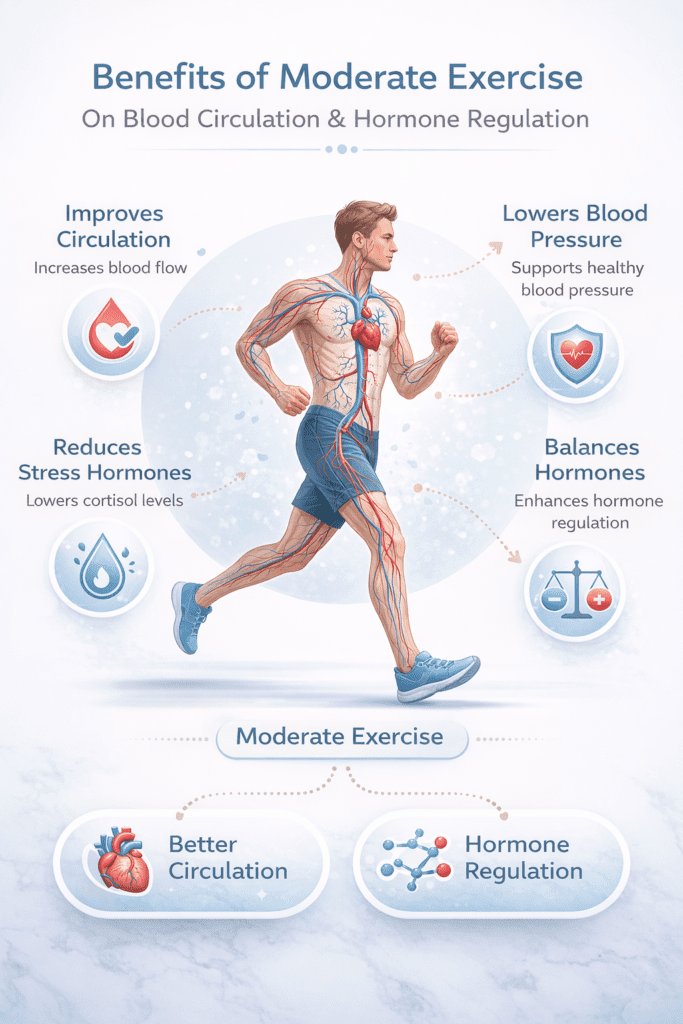
Moderate exercise improves blood flow to the reproductive organs and helps maintain a healthy Body Mass Index (BMI). However, excessive, high-intensity training can actually shut down reproductive functions in both men and women (a condition known as hypothalamic amenorrhea in women). For optimal Reproductive Health for Men and Women, aim for 150 minutes of moderate activity per week, including strength training and yoga.
6. Sleep Hygiene and Circadian Rhythms
Your body does its best “repair work” while you sleep. Melatonin, the sleep hormone, is also a powerful antioxidant that protects eggs and sperm from oxidative stress.
Poor sleep patterns disrupt the “Hormonal Clock.” Studies in Reproductive Health for Men and Women show that individuals who get 7-9 hours of quality sleep have significantly better reproductive outcomes than those with irregular sleep schedules. Prioritizing rest is a direct investment in your reproductive longevity.
7. Regular Screenings and Preventive Care
You cannot manage what you do not measure. Regular check-ups are essential for Reproductive Health for Men and Women.
For Women: Annual pelvic exams and Pap smears are vital for early detection of cervical issues. Monitoring the menstrual cycle can also provide early warnings of hormonal shifts.
For Men: Regular prostate exams (especially after age 40) and testicular self-exams are crucial.
STI Testing: For both genders, regular testing for Sexually Transmitted Infections is a fundamental part of Reproductive Health for Men and Women, as untreated infections can lead to permanent infertility.
Check out our guide on Marriage and Relationship Wellness for better emotional health.
8. The Weight Connection: BMI and Fertility
Weight plays a disproportionate role in Reproductive Health for Men and Women. Adipose tissue (fat) is metabolically active and produces estrogen.
Being underweight can stop the production of reproductive hormones, while being overweight can lead to an “estrogen dominance” state. Both extremes negatively affect Reproductive Health for Men and Women. Maintaining a weight that is healthy for your height and frame is one of the most effective ways to ensure your reproductive system remains “switched on.”
9. Smoking, Alcohol, and Reproductive Damage
Substance use is a significant detractor of Reproductive Health for Men and Women.
Smoking: Accelerates egg loss in women and damages the DNA structure of sperm in men.
Alcohol: Can disrupt the delicate feedback loop between the brain and the gonads, leading to lower libido and reduced fertility.
To truly master Reproductive Health for Men and Women, it is advisable to limit alcohol consumption and eliminate tobacco products entirely. The damage caused by these substances is often cumulative but can be partially reversed with long-term abstinence.

10. Hydration and Reproductive Fluids
It sounds simple, but hydration is vital for Reproductive Health for Men and Women. Reproductive fluids—including cervical mucus in women and seminal fluid in men—are primarily composed of water.
Dehydration can make these fluids too thick, hindering the journey of the sperm to the egg. Drinking at least 2-3 liters of water daily ensures that the “transport system” of your reproductive system is functioning smoothly.
11. Stress Management and the Brain-Body Link
The brain is the “Master Controller” of Reproductive Health for Men and Women. The hypothalamus in the brain tells the body when to produce reproductive hormones. When you are under chronic stress, the brain prioritizes survival over reproduction.
Practices like meditation, deep breathing, and mindfulness are not just “feel-good” activities; they are biological tools to improve Reproductive Health for Men and Women. By lowering your heart rate and cortisol, you signal to your brain that it is safe to prioritize reproductive functions.
Learn more about Reproductive Health from the World Health Organization (WHO).
12. Understanding the “Biological Clock”
While modern medicine has made great strides, the biological reality of aging still impacts Reproductive Health for Men and Women.
Women: Fertility begins to decline more significantly after age 35 due to a decrease in egg quantity and quality.
Men: While men produce sperm throughout their lives, the quality and DNA integrity of sperm can decline after age 45.
Being aware of these timelines allows individuals to make better choices regarding family planning and medical interventions like egg or sperm freezing if they wish to delay parenthood.
13. The Role of Hygiene in Reproductive Wellness
Daily habits also influence Reproductive Health for Men and Women.
For Men: Keeping the pelvic area cool is essential; tight underwear and hot tubs can lower sperm count.
For Women: Avoiding scented soaps and douches is vital, as they disrupt the natural pH and microbiome of the reproductive tract, leading to infections.
Conclusion: Taking a Holistic Approach to Wellness
In conclusion, Reproductive Health for Men and Women is a lifelong journey that requires attention, care, and education. It is not an isolated part of your body but a reflection of your overall health status. By focusing on nutrition, stress management, regular medical check-ups, and environmental safety, you can ensure that your reproductive system remains a source of vitality and health.
Whether you are planning a family or simply want to live your most vibrant life, prioritizing Reproductive Health for Men and Women is an investment that pays dividends in longevity and happiness. Start today—make one healthy change for your reproductive future.