In recent years, global medical communities have noted a concerning trend: fertility rates are declining, and hormonal imbalances are at an all-time high. Modern lifestyles, high-stress environments, processed diets, and invisible environmental toxins are quietly taking a toll on both men’s and women’s bodies for boost reproductive health.
Whether you are planning to start a family soon, struggling with hormonal issues like PCOS or low testosterone, or simply wanting to optimize your long-term wellness, taking proactive steps is essential. The good news is that the human body is incredibly resilient. With the right lifestyle modifications, you can naturally reverse much of this damage.
In this comprehensive 2026 wellness guide, we will explore the science of fertility and share actionable, evidence-based strategies to help you successfully boost reproductive health without relying solely on aggressive medical interventions.
Understanding the Modern Fertility Crisis
When we talk about reproductive wellness, it is not just a “women’s issue.” Statistics show that in approximately 40% to 50% of infertility cases, male factors are a primary or contributing cause. Therefore, any approach to boost reproductive health must equally involve both partners.
The decline in modern fertility is largely attributed to “oxidative stress” and “endocrine disruptors.” Oxidative stress damages sperm and egg cells, while endocrine disruptors (chemicals found in plastics and cosmetics) confuse the body’s natural hormone production. To counteract these hidden enemies, we must adopt a holistic, full-body approach to wellness.
7 Proven Ways to Boost Reproductive Health Today
By making intentional changes to your daily routine, diet, and environment, you can dramatically improve your hormonal balance. Here are seven expert-backed strategies to boost reproductive health naturally.
Step 1: Nourish with an Antioxidant-Rich Diet
Food is information for your cells. Diets high in processed sugars, trans fats, and fast food increase inflammation, which directly harms reproductive organs. To naturally boost reproductive health, shift towards a Mediterranean-style diet.
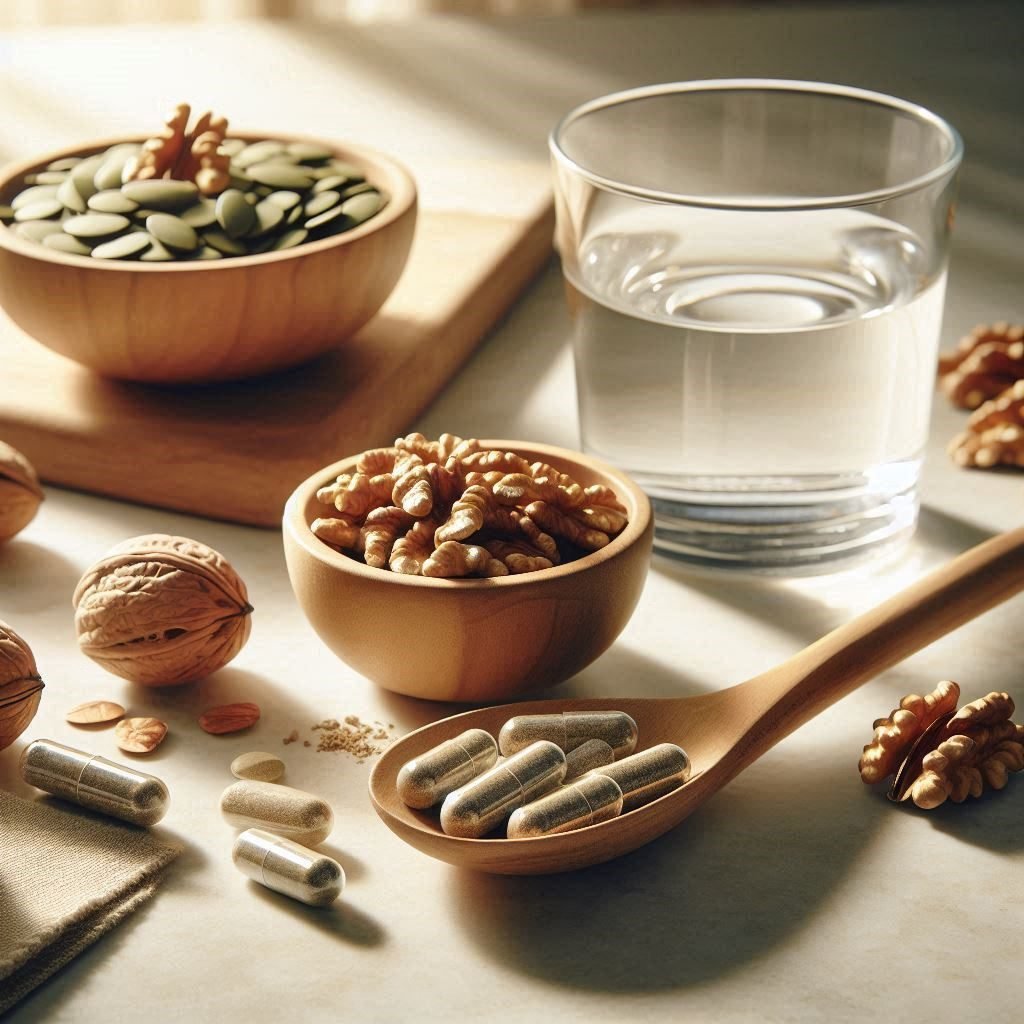
For Men: Focus on zinc and selenium-rich foods like pumpkin seeds, walnuts, and wild-caught fish to improve sperm motility and testosterone levels.
For Women: Prioritize foods rich in folate, iron, and Omega-3 fatty acids, such as leafy greens, lentils, and avocados, to support healthy ovulation and egg quality.
Antioxidants act as a shield, protecting your reproductive cells from daily damage.
Step 2: Minimize Exposure to Endocrine Disruptors (EDCs)
Endocrine-disrupting chemicals (EDCs) mimic or block natural hormones in the body. They are found everywhere: in plastic water bottles (BPA), non-stick cookware, synthetic fragrances, and commercial cleaning products.
Start replacing plastic food containers with glass or stainless steel. Switch to natural, paraben-free skincare and laundry detergents. By reducing your daily toxic load, your liver can efficiently process and balance your natural hormones.
For a detailed scientific breakdown of how everyday chemicals affect fertility, you can read the extensive reports published by the Harvard T.H. Chan School of Public Health.
Step 3: Manage Chronic Stress and Cortisol Levels
You cannot consistently boost reproductive health if your body is in a constant state of “fight or flight.” When you are chronically stressed, your adrenal glands overproduce cortisol. High cortisol suppresses the production of essential reproductive hormones like estrogen, progesterone, and testosterone.
In women, extreme stress can completely halt ovulation. In men, it lowers sperm count. Incorporate daily stress-reduction techniques such as deep breathing exercises, yoga, or even just 15 minutes of disconnected walking in nature.
For strategies on managing stress, explore our deep-dive articles in the Intimacy Psychology & Mental Health section.

Step 4: Maintain a Healthy Body Mass Index (BMI)
Weight plays a massive role in hormonal regulation. Fat cells actively produce estrogen.
Being overweight can lead to an excess of estrogen in both men and women, causing irregular periods, PCOS symptoms in women, and reduced sperm quality in men.
Being underweight can signal to the brain that the body is in “starvation mode,” shutting down reproductive functions entirely.
Aiming for a balanced, healthy BMI through moderate, consistent exercise and portion control is a proven way to boost reproductive health.
Step 5: Prioritize Quality Sleep & Circadian Rhythm
Your body repairs its cells and regulates its hormones primarily while you sleep. Poor sleep hygiene disrupts the circadian rhythm, which in turn throws off the release of luteinizing hormone (LH) and follicle-stimulating hormone (FSH)—both critical for fertility.
Aim for 7 to 8 hours of uninterrupted sleep in a completely dark, cool room. Avoid blue light from smartphones and laptops at least an hour before bed to ensure maximum melatonin production.
Step 6: Avoid Excessive Alcohol and Quit Smoking
There is no gray area here: smoking and heavy alcohol consumption are highly toxic to the reproductive system.
Smoking accelerates the aging process of a woman’s ovaries and depletes her egg supply prematurely. For men, toxins in cigarettes significantly reduce sperm count and cause DNA damage to the sperm.
Quitting smoking and limiting alcohol to occasional, moderate amounts is one of the fastest ways to dramatically boost reproductive health. For resources on quitting, health organizations like the Centers for Disease Control and Prevention (CDC) provide excellent free programs.
Step 7: Consider Targeted Nutritional Supplements
While you should always aim to get your nutrients from food, modern soil depletion means even healthy diets can lack key vitamins. After consulting with your healthcare provider, consider targeted supplements to boost reproductive health:
CoQ10: Essential for cellular energy, vastly improving both egg and sperm quality.
Folic Acid (Methylfolate): Crucial for preventing neural tube defects and supporting early cell division.
Vitamin D: Often called the “fertility vitamin,” healthy Vitamin D levels are strongly linked to successful conception rates.
Frequently Asked Questions (FAQs)
Q: How long does it take for lifestyle changes to boost reproductive health?
A: Sperm takes about 72 to 90 days to fully develop, and an egg takes about 90 days to mature before ovulation. Therefore, you should commit to these healthy lifestyle changes for at least 3 to 4 months before expecting significant physiological improvements in your fertility.
Q: Does carrying a cell phone in my pocket affect male fertility?
A: Yes, numerous modern studies suggest that the heat and electromagnetic radiation from keeping a smartphone in a front trouser pocket for extended periods can negatively impact sperm motility and morphology. Keep phones in your bag or a back pocket when possible.
Q: Is intense exercise good or bad for fertility?
A: Moderate exercise (like jogging, swimming, or weight lifting 3-4 times a week) is fantastic for circulation and maintaining a healthy weight. However, extreme, exhausting daily workouts can actually put the body under physical stress and temporarily halt ovulation in women or lower testosterone in men. Balance is key.
Conclusion
Navigating the complexities of fertility and hormonal balance can feel overwhelming, but you have more control over your biology than you might think. By actively reducing your exposure to toxins, managing stress, eating a nutrient-dense diet, and respecting your body’s need for sleep, you create an internal environment where health thrives.
Start small. You don’t have to change your entire life overnight. Pick two or three steps from this guide, master them, and gradually build a lifestyle that will successfully boost reproductive health for years to come. Remember, investing in your holistic well-being is the greatest gift you can give to your future family and yourself.