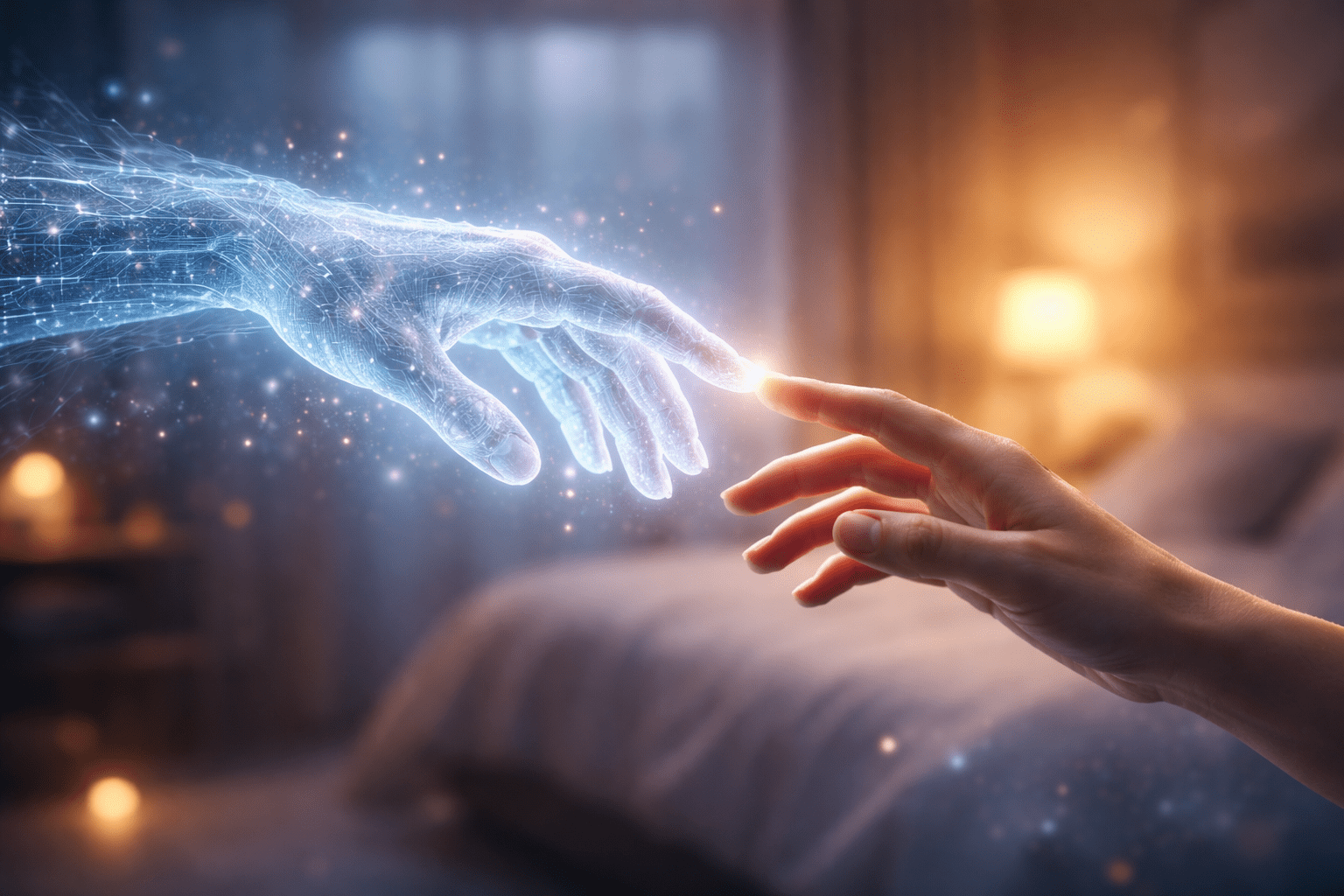
As we navigate the year 2026, a new psychological phenomenon has emerged as the leading cause of relationship breakdowns and mental health crises. Psychologists have termed it “Digital Detachment Syndrome.” While we are more “connected” than ever through high-speed networks and AI interfaces, the quality of human intimacy has reached an all-time low.
This post explores the deep-seated psychology of why we are losing our ability to connect and how we can reclaim our mental well-being and intimate relationships in an increasingly artificial world.
1. Defining Digital Detachment Syndrome (DDS)
Digital Detachment Syndrome is not just about spending too much time on a phone; it is the psychological inability to sustain emotional intimacy without the mediation of a screen. By 2026, the constant bombardment of algorithmic dopamine has rewired our brains to prefer “simulated” interaction over “raw” human vulnerability.
In the context of Intimacy Psychology, DDS manifests as a fear of eye contact, a lack of empathy during physical proximity, and a persistent feeling of loneliness even when sitting next to a partner. 7 Surprising Psychological Benefits of Emotional Intimacy: A Guide to Better Mental Health
2. The Loneliness Paradox: Together but Alone
The most tragic irony of 2026 is the “Loneliness Paradox.” Couples are spending more hours in the same room, but fewer minutes in the same “emotional space.”
According to research published by The American Psychological Association (APA), the presence of a smartphone on a dinner table—even if it is turned off—reduces the quality of conversation and the level of empathy between two people. This is because the brain remains in a state of “partial continuous attention,” waiting for a digital notification that never comes.
3. The Neurobiology of Intimacy in the Digital Age
Human intimacy relies on a complex cocktail of neurochemicals: Oxytocin (the cuddle hormone), Dopamine (reward), and Serotonin (mood stabilizer).
Digital Detachment Syndrome disrupts this balance. When we scroll through infinite feeds, we get “Cheap Dopamine.” This desensitizes our reward system, making the slow, steady release of Oxytocin from a long hug or a deep conversation feel “boring” or “insufficient.” To protect your Mental Health, it is vital to understand that your brain is being hacked to prioritize the screen over your partner.

4. The “Phubbing” Epidemic and Relationship Trauma
“Phubbing” (Phone Snubbing) has become the silent killer of intimacy in 2026. When you choose your device over your partner’s gaze, you are sending a psychological signal that says, “This digital void is more important than your presence.”
Over time, this creates “Micro-Traumas.” The ignored partner begins to feel invisible, leading to:
Resentment: A slow-burning anger that erodes sexual and emotional desire.
Anxiety: A constant state of hyper-vigilance about the partner’s digital loyalty.
Depression: The feeling that one is replaceable by an algorithm.
5. Reclaiming Intimacy: The Path to Healing
Reclaiming your relationship from Digital Detachment Syndrome requires more than just “putting the phone away.” It requires a psychological recalibration.
A. The 20-Minute Human-Only Rule
Commit to 20 minutes of eye contact and conversation every day without any devices in the room. This practice forces the brain to re-learn how to read facial micro-expressions and tone of voice—skills that are dying out in 2026.
B. Digital-Free Bedrooms
Your bedroom should be an “Analog Sanctuary.” By removing all screens, you create a space dedicated solely to sleep and intimacy. This is the cornerstone of Mental Health recovery in our hyper-connected era.
C. Sensory Grounding Exercises
When you feel the urge to check your device during an intimate moment, use the “5-4-3-2-1” grounding technique. Focus on what you can see, touch, and hear in the physical room. Touch your partner’s hand; feel the texture of the skin. This reconnects your brain to the “here and now.”
6. The Future of Therapy: Moving Beyond the Screen
In 2026, we are seeing a shift in mental health treatment. While “Tele-therapy” was popular, many are now seeking “Physical Presence Therapy.” There is a psychological healing power in being in the same physical vibration as another human being—something a Zoom call can never replicate.
Credited By: Orion Taraban
7. The Role of Vulnerability in 2026
True intimacy requires the risk of being hurt. Digital platforms allow us to curate our lives and hide our flaws. However, Mental Health thrives on authenticity. To bridge the gap created by Digital Detachment Syndrome, we must be willing to be “Unfiltered” in real life.
Show your partner your fears, your failures, and your unedited self. This “Raw Connection” is the only thing an AI can never simulate.
Conclusion: The Luxury of Being Known
In 2026, the ultimate luxury is not a smart device or a neural link; it is being truly “known” by another human being. Digital Detachment Syndrome is a formidable foe, but it is not invincible. By prioritizing Intimacy Psychology over digital convenience, we can save our relationships and, more importantly, our humanity.
Take a breath. Look away from this screen. And look at the person next to you. That is where life begins.