In today’s rapidly evolving world, understanding the nuances of Family Planning and Safe Sex is not just a matter of choice; it is a fundamental pillar of personal health and social responsibility. Whether you are in a committed relationship or exploring your options, having access to accurate, science-based information is the first step toward a secure and empowered future.
Sexual health is often a taboo subject, but the lack of education leads to unintended consequences. By prioritizing Family Planning and Safe Sex, individuals can take charge of their biological clock, financial destiny, and physical well-being. This guide delves deep into the strategies, methods, and psychological benefits of practicing safe and planned intimacy.
1. Why Family Planning and Safe Sex is Essential Today
When we talk about Family Planning and Safe Sex, we are referring to the ability of individuals and couples to anticipate and attain their desired number of children and the spacing and timing of their births. It is achieved through the use of contraceptive methods and the treatment of involuntary infertility.
The modern healthcare system places a heavy emphasis on Family Planning and Safe Sex because it directly correlates with the reduction of maternal and infant mortality rates. When a woman can space her pregnancies by at least two to three years, her body has time to recover, leading to healthier babies and a more energetic life for the mother.
The Psychological Impact of Sexual Education
Education regarding Family Planning and Safe Sex reduces anxiety. Knowing that you are protected against unwanted pregnancy and Sexually Transmitted Infections (STIs) allows for a more fulfilling and stress-free intimate life.
2. The Role of Contraception in Family Planning and Safe Sex
Choosing the right contraceptive is a vital part of Family Planning and Safe Sex. There is no “one size fits all” solution. The choice depends on your age, health history, and future goals.
Barrier Methods: The First Line of Defense
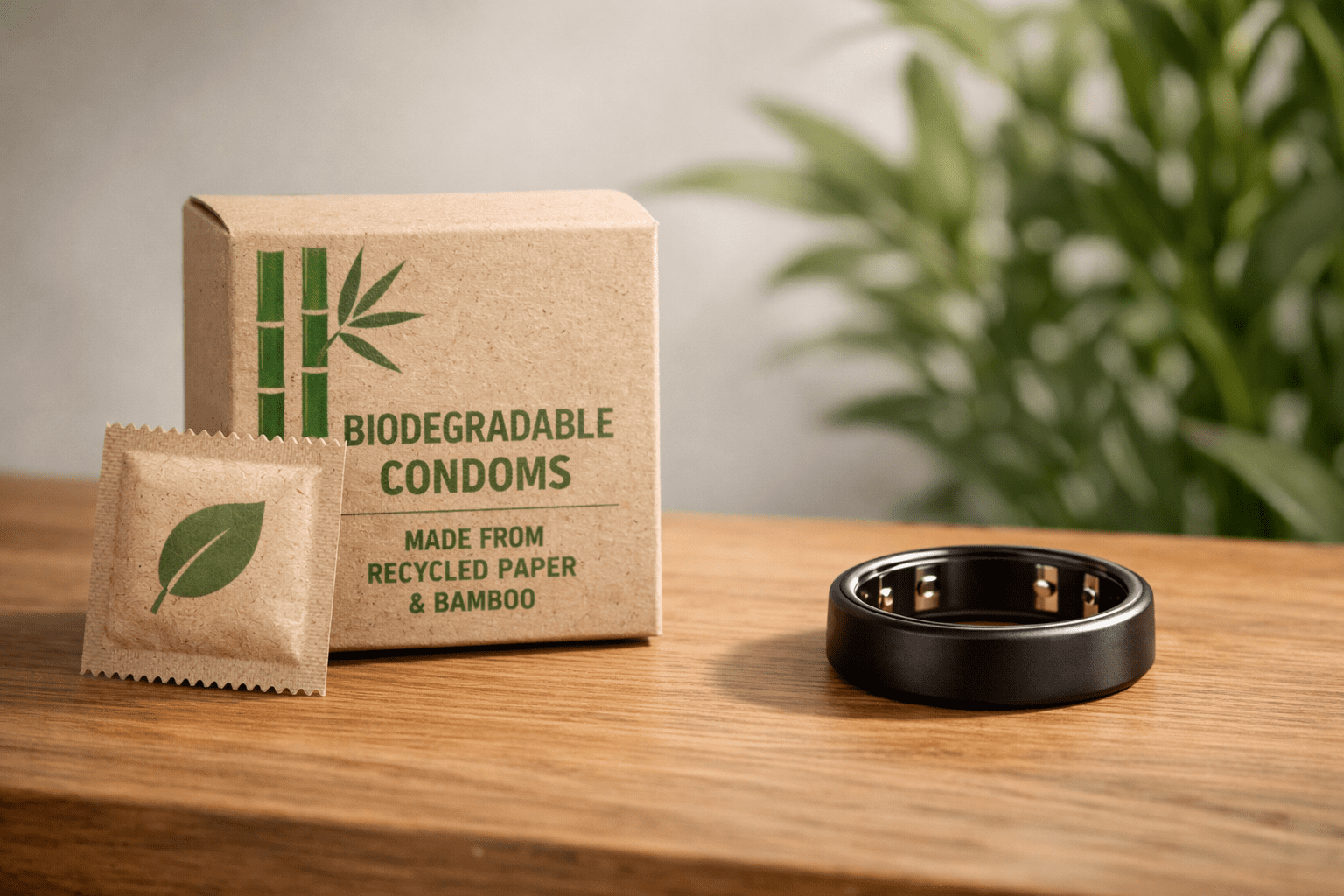
The most common tool in Family Planning and Safe Sex is the condom.
Male Condoms: They are 98% effective when used correctly and are the only method that protects against both pregnancy and STIs.
Female Condoms: These offer women more control over their protection and are equally effective in preventing infections.
Hormonal Methods for Long-Term Control
Many women opt for hormonal options as part of their Family Planning and Safe Sex strategy.
Oral Contraceptive Pills: Highly effective if taken at the same time every day.
Injectables: A single shot can provide protection for up to three months, making it a convenient “set and forget” method.
3. Preventing STIs Through Family Planning and Safe Sex
One cannot discuss Family Planning and Safe Sex without addressing Sexually Transmitted Infections. Diseases such as HIV/AIDS, HPV, Syphilis, and Chlamydia can have life-altering effects if not prevented or treated early.
Safe Sex is synonymous with protection. Using barriers consistently and getting regular medical check-ups are non-negotiable aspects of a healthy lifestyle. If you are sexually active, doctors recommend getting tested every six months to ensure peace of mind for you and your partner.
Click here to read our guide on how to talk to your partner about sexual health.
4. The Economic Benefits of Family Planning and Safe Sex
There is a direct link between Family Planning and Safe Sex and financial stability. Raising a child is a significant financial commitment. By planning the size of the family, parents can ensure that they have the resources to provide quality education, healthcare, and a comfortable living environment for their children.
Studies show that families who practice Family Planning and Safe Sex are more likely to escape the cycle of poverty. It allows women to stay in the workforce longer and pursue higher education, contributing to the overall economic growth of the household and the nation.

5. Common Myths About Family Planning and Safe Sex
Misinformation is the biggest enemy of Family Planning and Safe Sex. Let’s debunk some common myths:
Myth: You can’t get pregnant during your period.
Fact: While less likely, it is biologically possible. Family Planning and Safe Sex should be practiced throughout the cycle.
Myth: Using two condoms is safer.
Fact: This is dangerous. Friction between two condoms can cause them both to break.
Myth: Contraception causes permanent infertility.
Fact: Most methods are completely reversible. Once you stop using them, your fertility returns to its natural state.
6. Long-Acting Reversible Contraception (LARC)
For those who want a highly reliable and low-maintenance approach to Family Planning and Safe Sex, LARC methods are the gold standard.
Intrauterine Devices (IUDs)
An IUD is a small, T-shaped device inserted into the uterus.
Copper IUD: Provides protection for up to 10 years without using any hormones.
Hormonal IUD: Lightens periods and provides protection for 3 to 5 years.
Hormonal Implants
A matchstick-sized rod is placed under the skin of the arm. It is over 99% effective and lasts for three years, making it a powerhouse in the world of Family Planning and Safe Sex.
7. Permanent Solutions for Family Planning and Safe Sex
When a couple decides their family is complete, they may look into permanent surgical options. These are highly effective and eliminate the need for daily or monthly contraceptive routines.
Vasectomy: A simple, 15-minute procedure for men that blocks sperm from entering the semen.
Tubal Ligation: Often referred to as “getting your tubes tied,” this procedure for women blocks the fallopian tubes.
Read the CDC’s official guide on Permanent Contraception Methods.
8. The Importance of Consent and Communication
At the heart of Family Planning and Safe Sex is the concept of consent. Safe sex is not just about physical barriers; it is about emotional safety and mutual respect.
Communicating your boundaries and your choice of contraception with your partner is essential. A partner who respects your commitment to Family Planning and Safe Sex is a partner who respects your health and your future.

9. Emergency Contraception: A Safety Net
Even with the best intentions, accidents happen. A condom might break, or a pill might be missed. This is where emergency contraception plays a role in Family Planning and Safe Sex.
Commonly known as the “morning-after pill,” it should be taken as soon as possible after unprotected sex. It works by delaying ovulation. It is important to note that this is not an abortion pill and will not work if pregnancy has already occurred.
10. How to Consult a Doctor About Family Planning and Safe Sex
If you are overwhelmed by the options, seeking professional help is the best course of action. A healthcare provider can analyze your blood pressure, hormone levels, and lifestyle to suggest the best Family Planning and Safe Sex method for you.
Questions to ask your doctor:
What is the success rate of this method?
Are there any side effects I should watch for?
How does this affect my long-term fertility?
Does this protect me against STIs?
Conclusion: Empowering Your Future
Mastering the principles of Family Planning and Safe Sex is a gift to yourself and your future family. It provides the freedom to enjoy intimacy without fear, the stability to build a career, and the health to enjoy every moment of your life.
By staying informed and using the tools available—from condoms to IUDs—you are making a responsible choice that benefits society as a whole. Don’t let myths or embarrassment stop you. Start your journey toward a healthier, more planned life today.