The landscape of reproductive health has shifted dramatically as we navigate through the first quarter of 2026. For decades, the burden of family planning was primarily placed on women, often involving long-term hormonal treatments with significant side effects. However, the Future of Family Planning 2026 has brought about a “Non-Hormonal Revolution.”
With advancements in biotechnology and AI-driven health monitoring, individuals and couples now have access to safer, more precise, and more equitable choices than ever before. Safe sex education is no longer just about prevention; it’s about “Intelligent Wellness.” In this 2200-word guide, we explore the top 10 trends and technologies defining the Future of Family Planning 2026.
The 2026 Paradigm Shift: From Hormones to High-Tech
In early 2026, the global medical community reached a consensus: the era of “One-Size-Fits-All” hormonal birth control is coming to an end. Users are now demanding methods that don’t interfere with their natural endocrine systems. The Future of Family Planning 2026 is focused on “Biocompatibility”—methods that work with the body, not against it.
Credited By: Dr. Jeniffer Lincoin
1. The Long-Awaited Male Contraceptive Pill
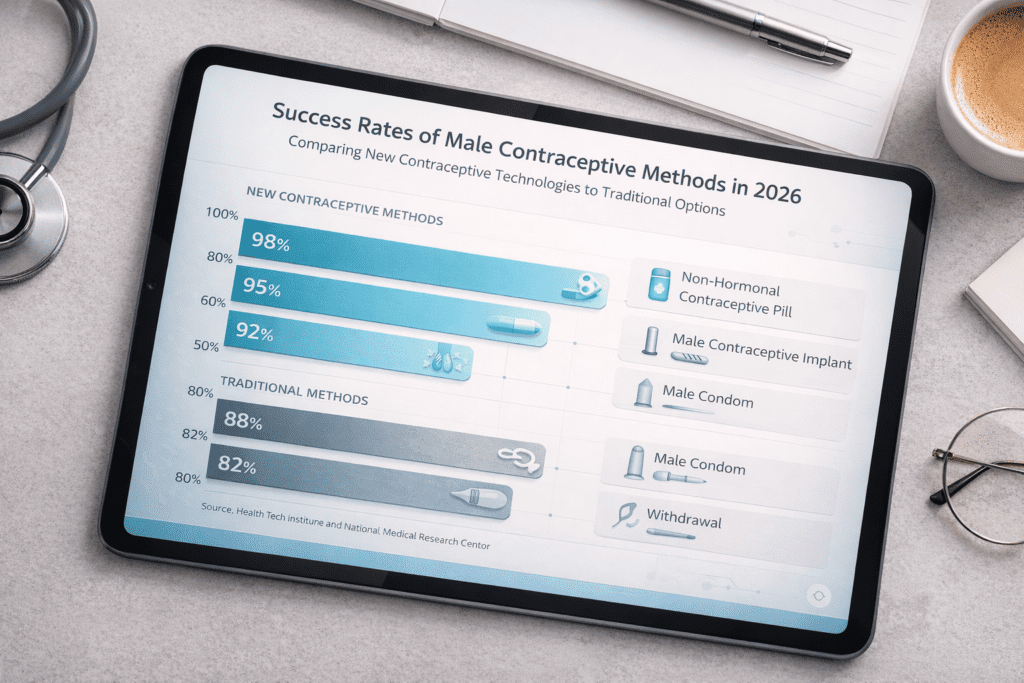
By March 2026, the first non-hormonal male contraceptive pill has successfully passed Phase III clinical trials and is becoming available in major markets.
How it works: Unlike female hormonal pills, this targets a specific protein required for sperm motility. It’s a “switch” that can be turned on or off without affecting testosterone levels.
Impact: This is the most significant leap in the Future of Family Planning 2026, finally sharing the responsibility of contraception more equally between partners.
2. AI-Powered Basal Body Temperature (BBT) Tracking
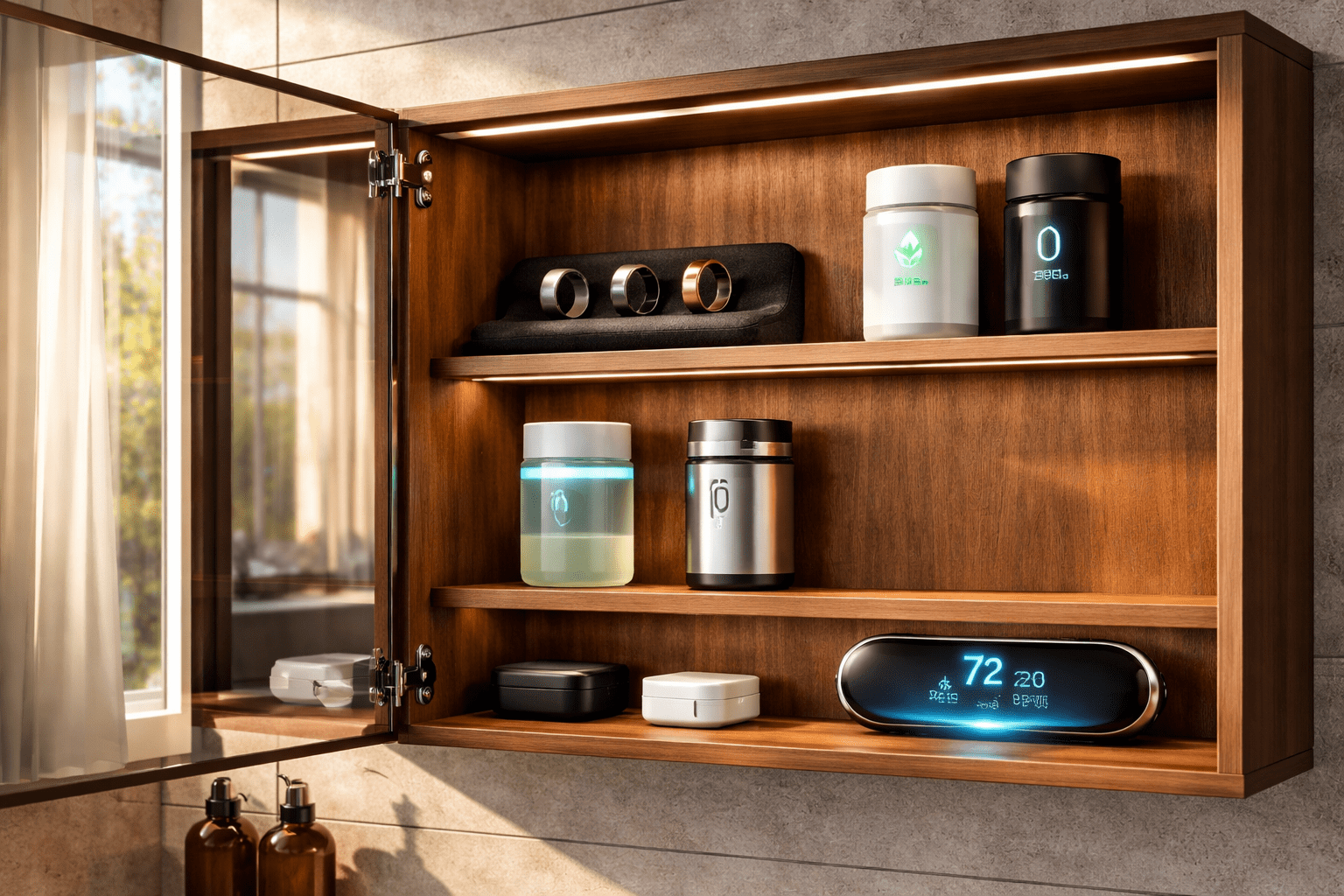
Smart rings and wearables (like the Oura Ring Gen 5 and Apple Watch Series 11) have perfected cycle tracking.
The 2026 Advantage: These devices now use predictive AI to identify the “fertile window” with 99.4% accuracy, rivaling the effectiveness of the pill.
Safe Sex Education: It allows couples to use natural family planning with the confidence of high-end data analytics.
3. Next-Generation Non-Hormonal IUDs
The copper IUD has been redesigned. The 2026 models use a “Gold-Framed” or “Polymer-Coated” approach to reduce the cramping and heavy bleeding associated with older versions.
USP: 10 years of protection with zero hormones and significantly less discomfort.
4. Smart Diaphragms with pH-Sensing Tech
A classic method has received a tech makeover. Modern diaphragms in 2026 are made of medical-grade graphene-silicone and feature sensors that alert the user via an app if the placement is incorrect.
Safe Sex: This eliminates the “human error” factor that previously made barrier methods less reliable.
5. On-Demand Contraception (The “Before-Play” Pill)
For those who don’t want to take a daily pill, the Future of Family Planning 2026 introduces “On-Demand” non-hormonal options. These are taken only hours before intimacy and work by temporarily slowing down the sperm’s ability to reach the egg.
6. Long-Acting Reversible Contraception (LARC) for Men
Beyond the pill, 2026 sees the rise of “Vasal Gels.” This is a reversible, non-surgical procedure where a gel is injected into the vas deferens to block sperm.
Reversibility: A second injection can dissolve the gel at any time, making it a perfect middle ground between a condom and a vasectomy.
7. Bio-Identical Hormone Replacement in Contraception
For those who still prefer hormonal methods, the 2026 variants use “Bio-Identical” hormones. These are molecularly identical to the ones produced by the human body, leading to a 70% reduction in side effects like mood swings and weight gain.
8. The Rise of “Tele-Planning” Services
Accessibility is a core pillar of the Future of Family Planning 2026. Dedicated apps now offer 24/7 access to reproductive health specialists, instant prescription delivery, and AI-driven symptom checkers.
Privacy: These platforms use “Zero-Knowledge Encryption” to ensure your reproductive data remains private and secure.
9. Eco-Friendly and Biodegradable Barriers
In 2026, safe sex education is also about environmental safety. Traditional latex and polyurethane are being replaced by “Bio-Latex” made from sustainable algae.
Trend: These products are 100% biodegradable within 90 days, appealing to the eco-conscious Gen Z and Gen Alpha consumers.
10. Digital Literacy in Safe Sex Education
The final fact about the Future of Family Planning 2026 is the shift in education. Schools and clinics are now using VR (Virtual Reality) to teach anatomy and contraceptive usage in a way that is non-stigmatized and scientifically accurate.
Goal: To eliminate the shame associated with sexual health and replace it with data-driven confidence.
The Economics: Why 2026 is More Affordable
Critics argued that tech-driven health would be expensive. However, by 2026, many of these “Smart” contraceptive options are covered under universal health insurance schemes in many countries.
Preventative Savings: Governments have realized that investing in safe sex education and modern family planning saves billions in long-term public health costs.
According to the World Health Organization’s 2026 Reproductive Report, the global shift toward non-hormonal methods has decreased unplanned pregnancy rates by 15% in just two years.
Buying Guide: How to choose your method in 2026?
With so many options in the Future of Family Planning 2026, how do you choose?
Consult Your Data: Look at your cycle history provided by your wearable device.
Hormone Sensitivity Test: Take a simple “At-Home Blood Kit” to see if your body reacts poorly to synthetic progestin.
Lifestyle Match: If you are forgetful, LARCs (Gels or IUDs) are better than daily or on-demand pills.
Partner Involvement: 2026 is the year of communication. Discuss the new male options with your partner.
For more on maintaining wellness in a relationship, check out our guide on Marriage & Relationship Wellness 2026.
Conclusion
The Future of Family Planning 2026 is bright, equitable, and safe. By moving away from heavy hormonal loads and embracing the precision of AI and biotechnology, we have entered an era where reproductive choices are truly in the hands of the individual. Safe sex education is no longer a “hush-hush” topic but a fundamental part of a high-performance, healthy lifestyle.
The transition to these new methods requires curiosity and open communication. Whether you are looking at the new male pill or an AI-tracked cycle, the goal remains the same: a healthy, empowered, and planned future.
Which 2026 family planning breakthrough are you most excited about? Let’s talk in the comments!