Understanding the intersection of Intimacy Psychology and Mental Health is the ultimate key to unlocking a fulfilling and balanced life. While many people mistake intimacy for mere physical proximity, it is actually a complex psychological state that involves vulnerability, trust, and emotional safety. In today’s hyper-connected yet lonely world, mastering these concepts is more important than ever for our psychological well-being.
The science behind Intimacy Psychology and Mental Health reveals that our brains are hardwired for connection. When we lack deep, meaningful bonds, our mental health often suffers, leading to increased levels of cortisol (the stress hormone) and a higher risk of depression. Conversely, fostering high-quality intimacy can act as a natural antidepressant. This guide provides an in-depth exploration of how you can enhance your mental health through the power of psychological intimacy.
1. The Science of Intimacy Psychology and Mental Health
At its core, Intimacy Psychology and Mental Health is about the hormone oxytocin. Often called the “cuddle hormone” or “bonding molecule,” oxytocin is released during physical touch, deep conversation, and even prolonged eye contact.
Research in the field of Intimacy Psychology and Mental Health shows that higher levels of oxytocin lower blood pressure and reduce the activity of the amygdala, the brain’s fear center. This means that intimacy literally calms your nervous system. By prioritizing connection, you are essentially providing your brain with a safety net against the anxieties of daily life.
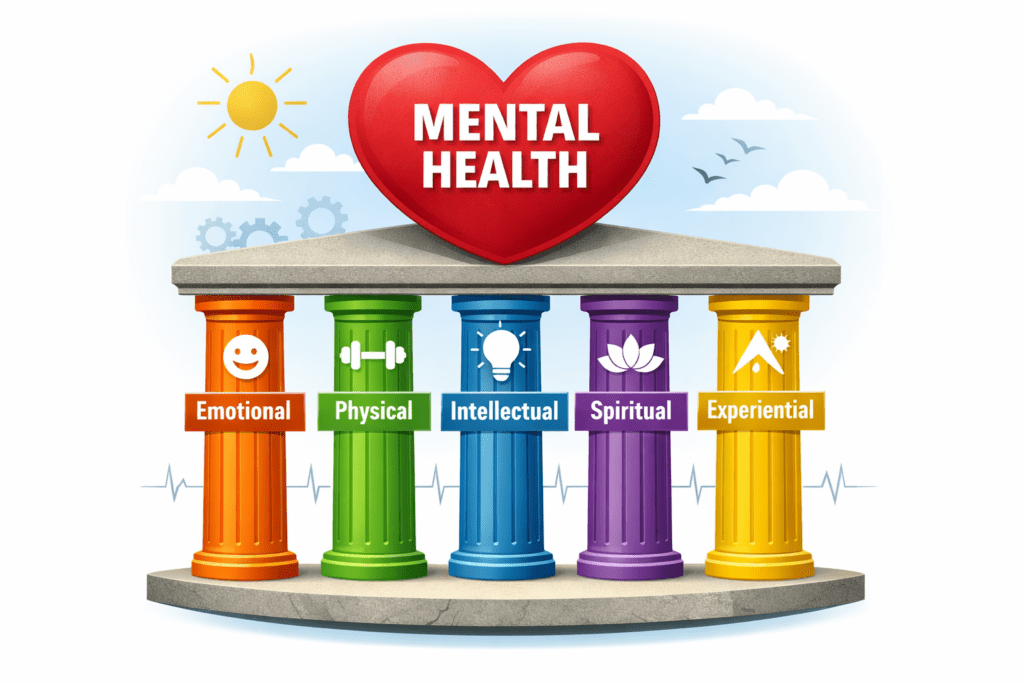
2. The Five Pillars of Intimacy Psychology and Mental Health
To truly master Intimacy Psychology and Mental Health, one must understand that intimacy is multi-dimensional. It isn’t just one thing; it is a collection of various types of connections.
Emotional Intimacy: Sharing your deepest fears, dreams, and secrets without fear of judgment.
Intellectual Intimacy: Connecting through ideas, debates, and shared philosophies.
Physical Intimacy: From holding hands to sexual connection, physical touch is vital for mental health.
Spiritual Intimacy: Sharing core values, beliefs about the universe, and a sense of purpose.
Experiential Intimacy: Bonding over shared activities, hobbies, and life experiences.
By balancing these five pillars, you create a robust foundation for Intimacy Psychology and Mental Health that can withstand any external stressor.
3. How Intimacy Psychology and Mental Health Reduces Stress
In the modern workplace, stress is an epidemic. However, the study of Intimacy Psychology and Mental Health suggests that a supportive partner or a close-knit social circle acts as a “stress buffer.”
When you come home to an environment of high Intimacy Psychology and Mental Health, your body switches from the “fight or flight” mode to the “rest and digest” mode. This transition is crucial for long-term health. People who lack this intimacy often remain in a state of chronic high alert, which eventually leads to burnout and physical illness.
Discover our guide on how to manage work-life balance for better mental health.
4. Overcoming the Fear: Intimacy Psychology and Mental Health
Many individuals struggle with a “Fear of Intimacy.” This is a psychological barrier where a person avoids deep connections to protect themselves from potential rejection or pain. In the realm of Intimacy Psychology and Mental Health, this is often linked to early childhood attachment styles.
If you have an “avoidant” attachment style, you might view Intimacy Psychology and Mental Health as a threat to your independence. Healing this fear involves cognitive-behavioral techniques and learning to sit with the discomfort of vulnerability. Understanding that vulnerability is actually a strength is the first step toward mental freedom.
5. Communication Strategies for Better Intimacy Psychology and Mental Health
You cannot have Intimacy Psychology and Mental Health without effective communication. Most relationship conflicts arise not from a lack of love, but from a breakdown in how that love is expressed.
The Power of “I” Statements
In Intimacy Psychology and Mental Health, using “I” statements instead of “You” statements prevents defensiveness. For example, saying “I feel lonely when we don’t spend time together” is far more effective than “You never spend time with me.”
Active Listening
Active listening means listening to understand, not just to respond. It is a cornerstone of Intimacy Psychology and Mental Health because it makes the other person feel “seen” and “heard,” which are the two most basic human emotional needs.
6. Mental Health Disorders and Their Impact on Intimacy
It is a two-way street: your mental health affects your intimacy, and your intimacy affects your mental health. Disorders like depression and anxiety can often create a “wall” in relationships.
Depression: Can lead to emotional withdrawal, making Intimacy Psychology and Mental Health feel impossible.
Anxiety: Can lead to “needy” or “clingy” behavior, which may overwhelm a partner.
PTSD: Trauma can make physical touch or emotional vulnerability feel unsafe.
Addressing these issues through professional therapy is a vital part of maintaining Intimacy Psychology and Mental Health. It is okay to seek help; in fact, it is a sign of high emotional intelligence.
7. The Role of Self-Love in Intimacy Psychology and Mental Health
There is a famous psychological saying: “You cannot pour from an empty cup.” This is perfectly applicable to Intimacy Psychology and Mental Health. If you do not have a healthy relationship with yourself, it is difficult to maintain one with others.
Self-compassion and self-awareness are the bedrock of Intimacy Psychology and Mental Health. When you are comfortable with your own flaws and strengths, you stop looking for others to “complete” you and instead look for others to “share” life with. This shift from codependency to interdependency is a major milestone in mental health.
8. 10 Practical Exercises for Intimacy Psychology and Mental Health
To improve your Intimacy Psychology and Mental Health, try these evidence-based exercises:
The 4-Minute Stare: Look into your partner’s eyes for four minutes without speaking.
Gratitude Journaling: Write down three things you appreciate about your partner daily.
The Weekly Check-in: Ask, “What did I do this week that made you feel loved?”
Phone-Free Zones: Dedicate dinner time to conversation only.
Shared Novelty: Try a new activity together to boost dopamine.
Physical Touch: Aim for at least 8 hugs a day for oxytocin release.
Active Constructive Responding: Celebrate your partner’s wins enthusiastically.
Vulnerability Sharing: Share one small insecurity each week.
Love Languages: Learn and speak your partner’s specific love language.
Mindfulness Meditation: Practice being present in the moment with your loved ones.

9. Intimacy Psychology and Mental Health in the Digital Age
The rise of social media has ironically made Intimacy Psychology and Mental Health more difficult to achieve. We are often “connected” but not “intimate.” Scrolling through a partner’s feed is not the same as looking into their eyes.
To protect your Intimacy Psychology and Mental Health in the digital age, it is essential to set boundaries. Digital detoxes and “no-phone” dates are not just trends; they are necessary practices for preserving the sanctity of your mental health and your relationships.
10. When to Seek Professional Help for Intimacy Issues
Sometimes, the hurdles in Intimacy Psychology and Mental Health are too high to jump over alone. If you find yourself in a cycle of constant arguing, emotional coldness, or sexual dysfunction, it may be time to consult a therapist.
Couples therapy or individual counseling provides a safe space to deconstruct old patterns and build new ones. There is no shame in seeking guidance for Intimacy Psychology and Mental Health; it is an investment in your long-term happiness.
Conclusion: A Journey Toward Holistic Wellness
In conclusion, Intimacy Psychology and Mental Health are inextricably linked. By nurturing your connections, you are nurturing your mind. True intimacy requires courage—the courage to be seen, the courage to be vulnerable, and the courage to trust.
As we have explored in this guide, the benefits of prioritizing Intimacy Psychology and Mental Health are immense: lower stress, higher happiness, and a longer, healthier life. Start today by making one small connection. Reach out, speak your truth, and watch your mental health flourish.