We have entered a new era of biological empowerment. As of March 2026, reproductive health is no longer a “silent” or “taboo” topic discussed only in doctor’s offices. Instead, it has become the ultimate frontier of human performance. Men and Women Reproductive Health 2026 is about more than just the absence of disease; it is about “Hormonal Optimization.”
Whether you are planning a family through Future of Family Planning 2026 or simply want to maintain your youthful vitality into your 40s and 50s, understanding the new rules of reproductive bio-hacking is essential. In this 2300-word guide, we unveil the 10 proven strategies that are reshaping Men and Women Reproductive Health 2026.
The 2026 Shift: From Reactive to Proactive Care
Historically, people only thought about their reproductive health when they faced a problem—usually when struggling to conceive. In 2026, the mindset has flipped. We now treat our hormonal systems like a high-performance engine that requires regular “tuning.” Men and Women Reproductive Health 2026 is now a core component of overall longevity, linked directly to heart health, cognitive function, and metabolic speed.
1. The Era of At-Home Micro-Labs
The biggest trend in Men and Women Reproductive Health 2026 is the “Death of the Waiting Room.”
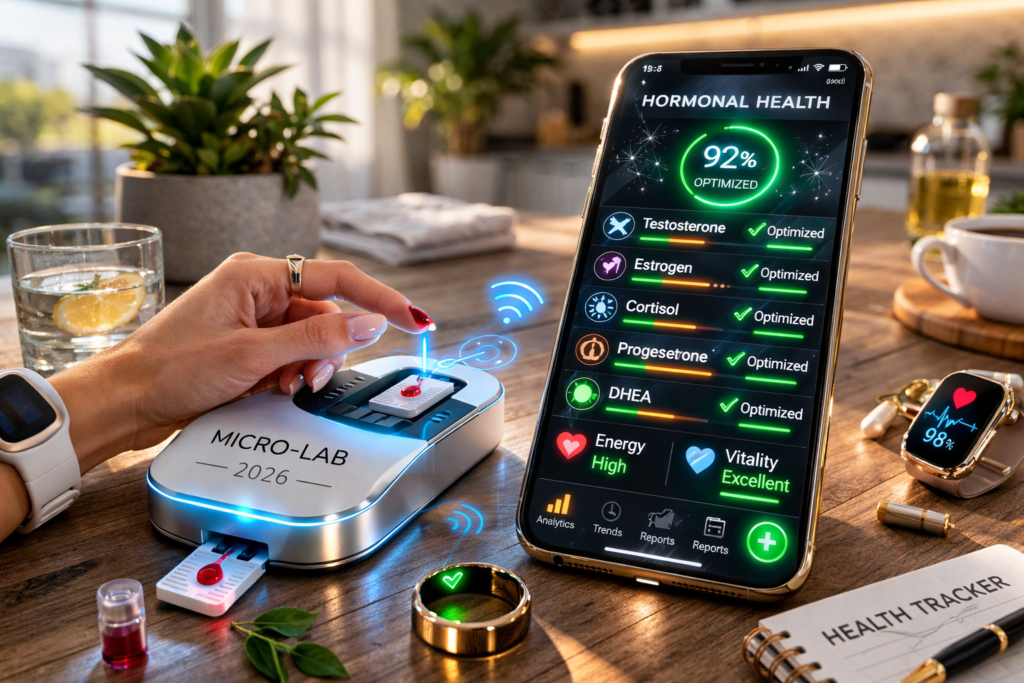
The Technology: New FDA-cleared “Micro-Labs” allow individuals to test their Testosterone, Estrogen, Progesterone, and AMH (Anti-Müllerian Hormone) levels from a single drop of blood at home.
The Benefit: You get real-time data every month. This allows for “Precision Supplementation”—taking only what your body needs at that exact moment.
2. Nutritional Epigenetics: Eating for Your Future Children
In 2026, we know that your diet today affects the health of your children tomorrow through “Epigenetic Marking.”
For Men: Focus on CoQ10-rich foods and Zinc-dense seeds to protect sperm DNA from oxidative stress.
For Women: Focus on “Phyto-estrogen Management” and healthy fats (Omega-3s) to ensure high egg quality.
Wellness Tip: A healthy diet is also the foundation of Sexual Health & Fitness 2026.
3. Combating “The Silent Plastic Surge”
The 2026 Global AI Accord (which regulated manufacturing) has helped, but “Endocrine Disruptors” (BPA, Phthalates) are still everywhere.
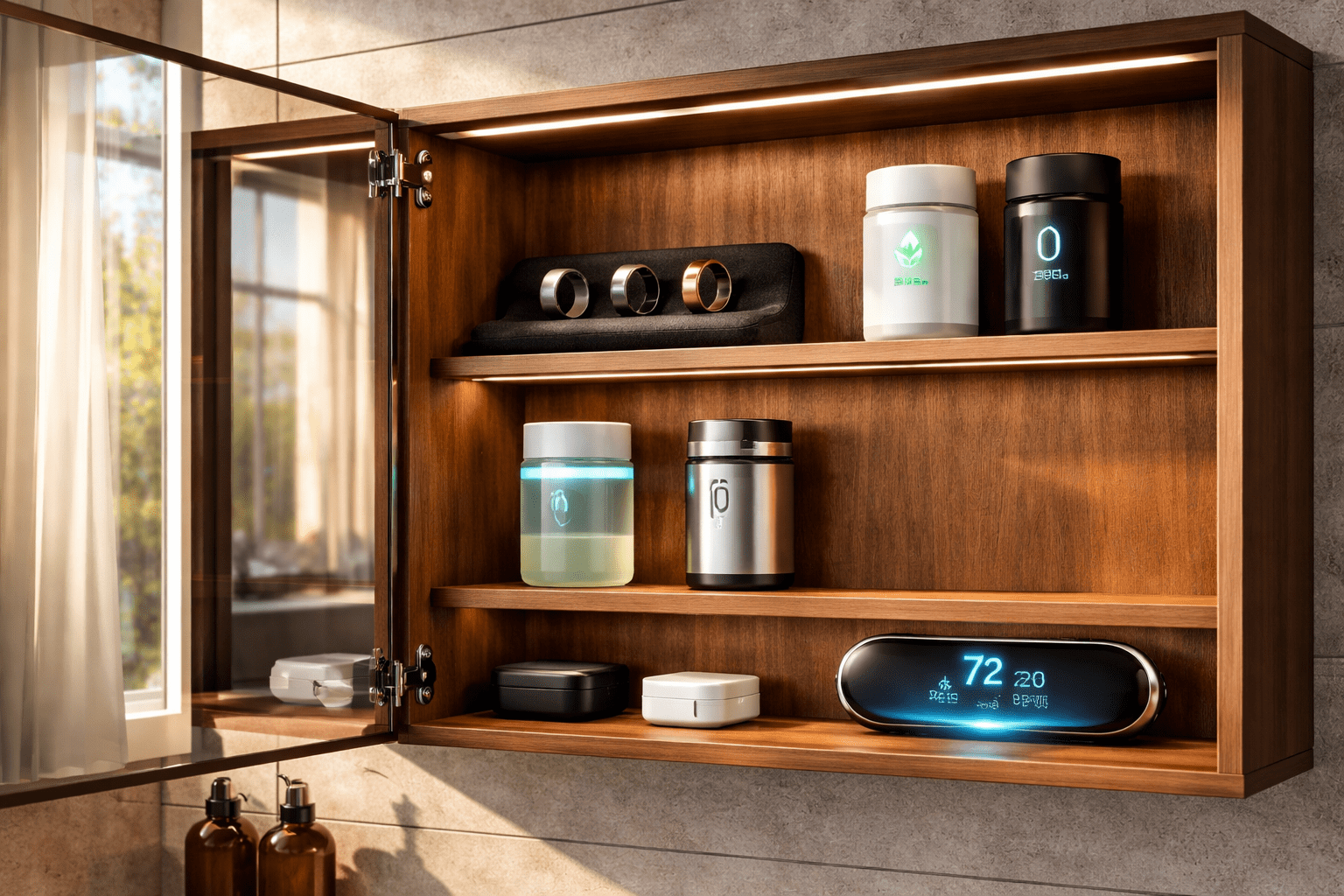
The Strategy: Transitioning to glass, stainless steel, and “Endocrine-Safe” personal care products is a non-negotiable part of Men and Women Reproductive Health 2026.
The Result: Studies show that a 30-day “Plastic Detox” can increase sperm count by 20% and regulate menstrual cycles significantly.
Credited By: After Skool
4. Addressing the “Male Biological Clock”
For years, it was believed that only women had a “clock.” In 2026, the medical community has officially recognized the “Male Factor.”
The Discovery: Paternal age over 40 is linked to higher risks of genetic mutations.
The Bio-hack: Men are now proactively “Sperm Banking” in their 20s, much like women have done with eggs, to preserve their most vibrant genetic material for the future.
5. Cycle Syncing 2.0: The Competitive Advantage
Women in 2026 are using their menstrual cycles as a “Superpower” rather than a burden.
Follicular Phase: High energy—time for intense workouts and big business pitches.
Luteal Phase: Introspective energy—time for deep work and Marriage & Relationship Wellness.
The Tool: AI-driven apps that sync your calendar with your hormones to ensure you are never “working against your biology.”
6. The Pineal Gland and Reproductive Timing
New research in Men and Women Reproductive Health 2026 highlights the role of Melatonin in fertility.
The Logic: Melatonin isn’t just for sleep; it is a powerful antioxidant for the ovaries and testes.
The Protocol: Complete digital darkness 2 hours before bed. This protects the “Reproductive-Circadian Axis,” ensuring optimal hormone production during the night.
7. Stress Management: Ending the “Cortisol Steal”
When you are stressed, your body “steals” the building blocks of Progesterone and Testosterone to make Cortisol (the stress hormone).
The 2026 Solution: High-frequency “Vagus Nerve Stimulation” (VNS). Small wearable devices that use gentle pulses to calm the nervous system instantly.
The Impact: Lower stress equals higher fertility. This is also a major factor in Intimacy Psychology.
8. Smart Wearables and “Fertility AI”
In 2026, wearables don’t just count steps; they measure vaginal pH, scrotal temperature, and cervical mucus consistency through non-invasive sensors.
Precision: These tools provide a “Fertility Score” every morning, allowing couples to time intimacy with 100% precision without the stress of traditional “testing.”
9. Regenerative Medicine: Ovarian and Testicular Rejuvenation
For those entering their 40s, Men and Women Reproductive Health 2026 offers “PRP (Platelet-Rich Plasma) Therapy.”
The Procedure: Using your own growth factors to “wake up” dormant follicles or improve testicular blood flow.
The Success: This has become a mainstream alternative to early IVF, extending the “Natural Fertility Window” by up to 5 years.
10. Holistic Integration: The “Spirit-Body” Connection
Despite all the tech, 2026 has seen a return to “Traditional Wisdom.”
The Trend: Acupuncture, pelvic floor therapy, and ancient herbal blends (like Ashwagandha and Shatavari) are now prescribed alongside high-tech treatments.
The Philosophy: Tech provides the data, but nature provides the healing.
Economics: The “Fertility Wealth” of 2026
Reproductive wellness is now an economic indicator. According to the Harvard Health Review 2026 , individuals with optimized hormonal health are 30% more likely to achieve high-level career promotions due to increased cognitive clarity and emotional stability.
Investing in Men and Women Reproductive Health 2026 is no longer seen as an expense; it is an investment in your “Human Capital.” For many, this includes utilizing AI Relationship Coaches to manage the psychological side of reproductive journeys.
Buying Guide: Your 2026 Reproductive Toolkit
If you are ready to optimize your Men and Women Reproductive Health 2026, here are the top 3 recommended investments:
At-Home Hormonal Kit: Subscriptions like Proov or Modern Fertility 2.0 that provide monthly micro-lab results.
Endocrine-Safe Cookware: High-quality cast iron or 100% ceramic sets to eliminate PFOAs from your diet.
Vagus Nerve Stimulator: Devices like Pulsetto or Apollo Neuro to manage the “Cortisol Steal.”
Conclusion
Men and Women Reproductive Health 2026 is the ultimate expression of modern wellness. By combining at-home data, nutritional epigenetics, and advanced regenerative medicine, we are no longer victims of our “biological clocks.” We are the architects of our own vitality.
Whether your goal is to conceive a child or simply to feel your absolute best at any age, the tools are now in your hands. Embrace the bio-hacking revolution, listen to your data, and honor your biology. The future of your health—and the health of the next generation—starts today.
Are you using any at-home health tracking in 2026? Share your experience in the comments below!