1. The Dawn of a New Era in Reproductive Health
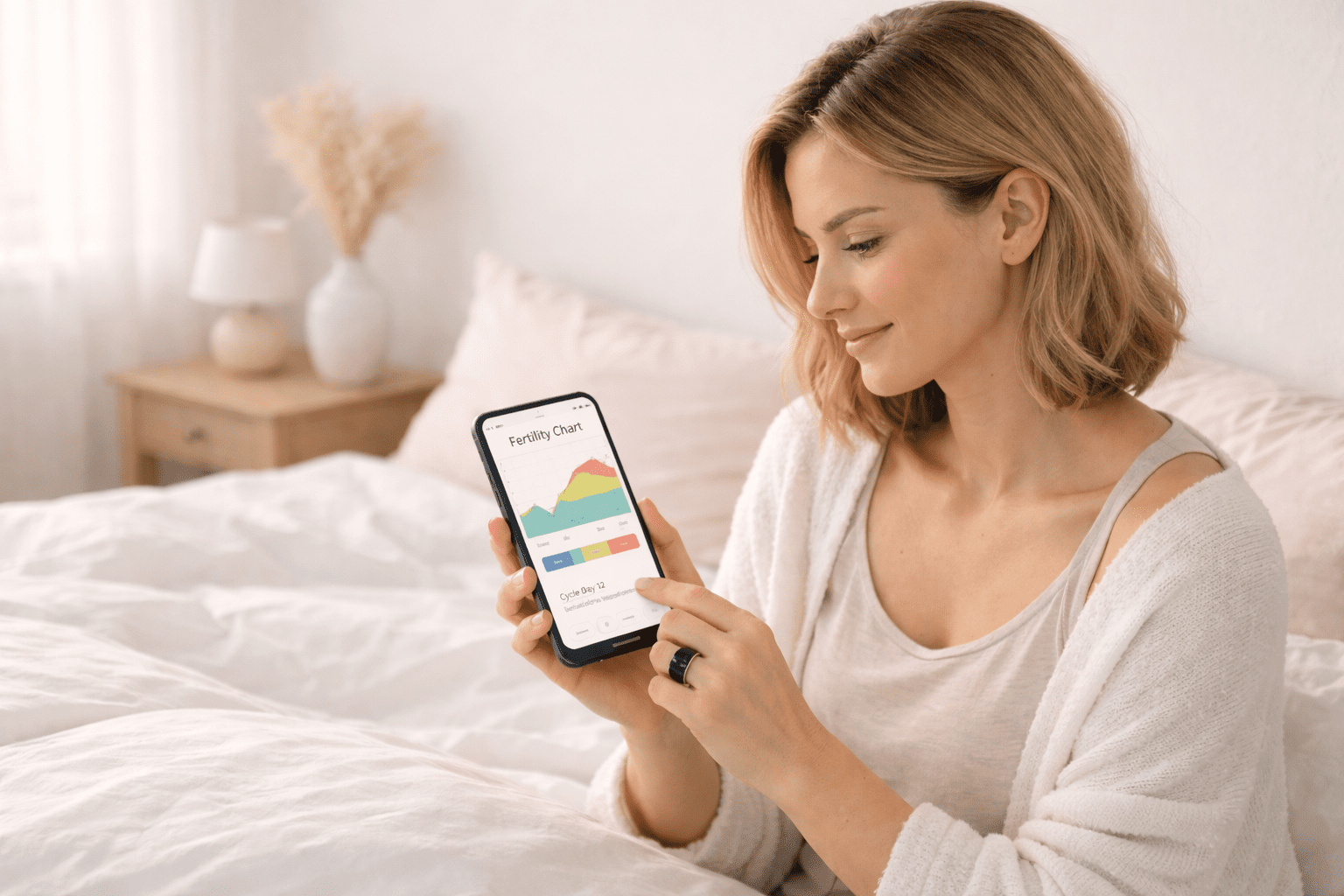
For decades, the standard for preventing pregnancy or planning a family was heavily reliant on synthetic hormones. While the contraceptive pill was a revolutionary invention in the 1960s, the modern woman is now looking for something more personalized. Enter Smart Fertility Tracking Technology. This isn’t just about “tracking your period”; it’s about a deep, data-driven understanding of the biological rhythms that govern the female body.
As we move into 2026, the demand for 7 Ways Relationship Wellness and Intimacy Psychology Amazing Lives is skyrocketing. Millions are turning to “Digital Family Planning” as a way to avoid the side effects of traditional methods while maintaining high levels of efficacy. In this comprehensive guide, we will explore how Smart Fertility Tracking Technology is changing lives.
2. What Exactly is Smart Fertility Tracking Technology?
Smart Fertility Tracking Technology refers to an ecosystem of hardware (wearable sensors, smart rings, thermometers) and software (mobile applications powered by AI) designed to identify a woman’s fertile window.
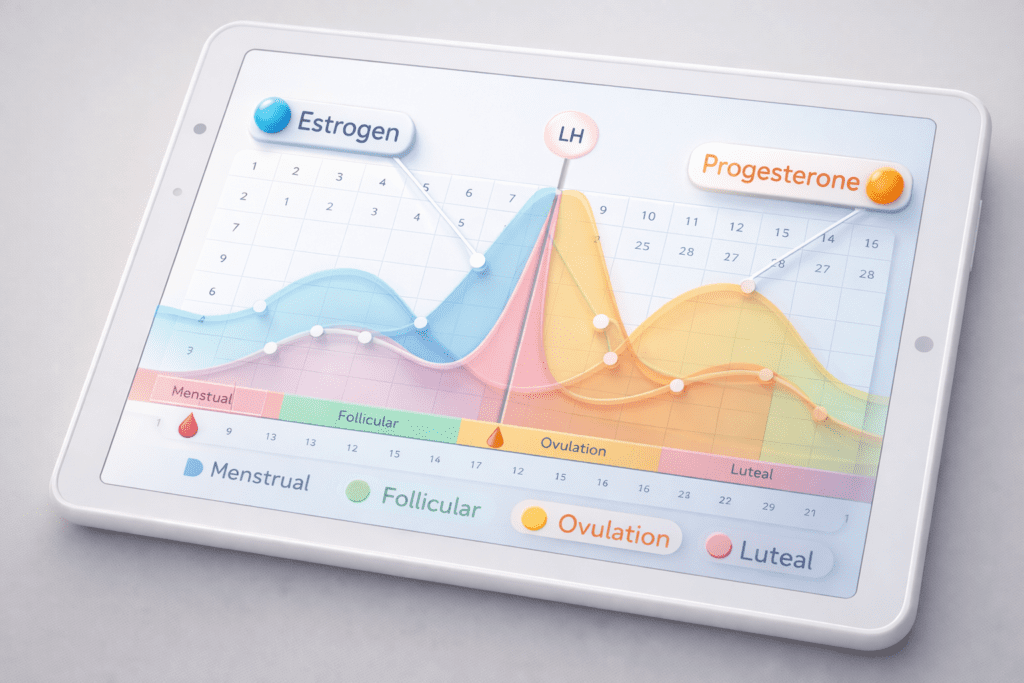
Unlike the “Rhythm Method” of the past—which was largely based on guesswork—this new technology uses real-time physiological markers. By measuring changes in your body that occur due to fluctuating estrogen and progesterone levels, these tools can tell you with incredible precision when you are fertile and when you are not.
3. The Scientific Pillars: BBT, Hormones, and Algorithms
To understand why Smart Fertility Tracking Technology is so effective, we must look at the science behind it. There are three primary markers that these devices track:
Basal Body Temperature (BBT): This is your body’s temperature at complete rest. After ovulation, your progesterone levels rise, causing a slight but consistent increase in BBT (usually 0.5 to 1 degree Fahrenheit).
Luteinizing Hormone (LH): This hormone surges 24 to 48 hours before ovulation. Some smart monitors now allow you to scan urine test strips into an app to track this surge digitally.
Heart Rate Variability (HRV) and Skin Temperature: Modern wearables like the Oura Ring or Apple Watch track these metrics overnight to detect the subtle metabolic shifts associated with the menstrual cycle.
Learn more about the Science of Ovulation from the Mayo Clinic
4. Why Women are Moving Away from Hormonal Contraception
The shift toward Smart Fertility Tracking Technology is driven by a desire for “Body Literacy.” Many women are reporting dissatisfaction with the side effects of the pill, IUDs, or injections, which can include:
Mood swings and depression.
Decreased libido.
Weight gain and skin issues.
The long-term impact of synthetic hormones on the endocrine system.
By using Smart Fertility Tracking Technology, women can achieve their family planning goals naturally, without altering their body’s chemistry.
5. Top 7 Leading Smart Fertility Devices Reviewed in Detail
1. Natural Cycles (The FDA-Cleared Standard)
Natural Cycles was the first app to be cleared by the FDA as a contraceptive. It uses a high-precision thermometer and a proprietary algorithm to determine your daily fertility status. It is a pioneer in the field of Smart Fertility Tracking Technology.
2. Oura Ring (The Discreet Wearable)
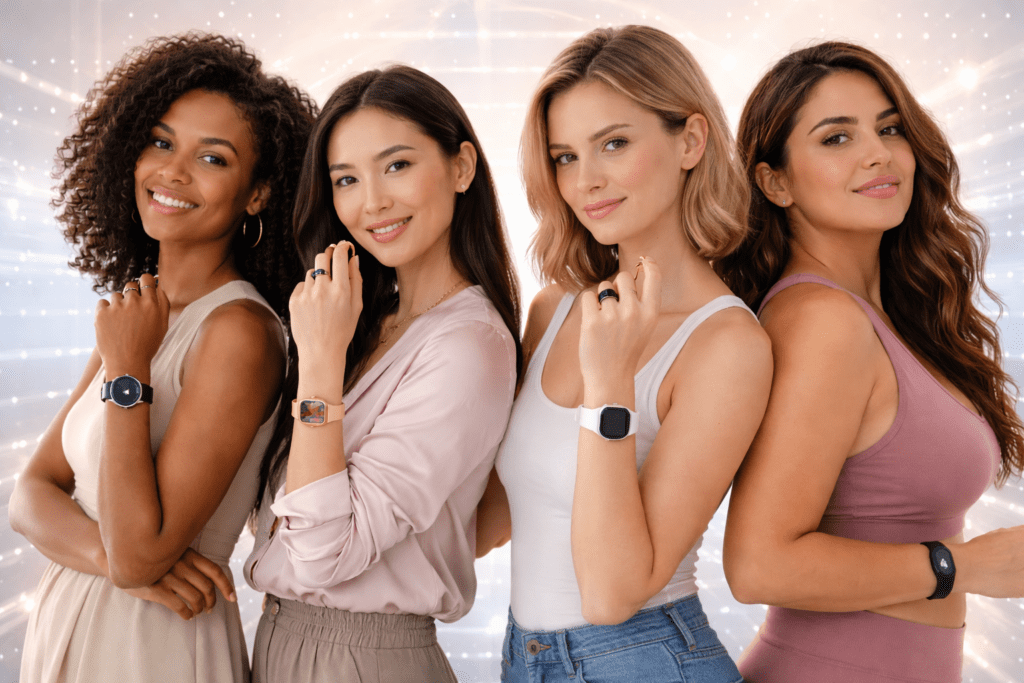
The Oura Ring has become a favorite because it tracks temperature deviations directly from the finger while you sleep. It integrates seamlessly with apps to provide a “readiness score” and fertility predictions without the need for manual morning temperature checks.
3. Apple Watch Series 9 & Ultra
Apple has integrated dual-temperature sensors into its latest watches. While it is marketed more toward “retrospective ovulation tracking,” it is a powerful tool in the Smart Fertility Tracking Technology arsenal for those who already live in the Apple ecosystem.
4. Tempdrop (For Irregular Sleepers)
Standard BBT tracking requires you to wake up at the same time every day. Tempdrop solves this by being a wearable sensor worn on the arm. It filters out “noise” (like waking up at night or drinking alcohol), making it the most accurate for those with irregular schedules.
5. Inito (The Lab in Your Pocket)
Inito is a revolutionary device that clips onto your phone. It measures four different hormones (Estrogen, LH, Progesterone, and FSH) through urine strips. It provides a level of detail previously only available in a doctor’s office.
6. Daysy (The All-in-One Monitor)
Daysy is a standalone device that doesn’t necessarily require a smartphone to function daily. It uses a simple light system: Red for fertile, Green for infertile. It’s perfect for those who want to disconnect from screens.
7. Ava Bracelet
Worn only at night, the Ava bracelet tracks five physiological parameters, including resting pulse rate, skin temperature, and perfusion. It is specifically designed for those trying to conceive.
6. The Role of Artificial Intelligence in FemTech
The “Smart” part of Smart Fertility Tracking Technology comes from advanced machine learning. Every woman’s cycle is different. Some have 28-day cycles, while others vary from 35 to 45 days. AI algorithms analyze thousands of data points to create a “personalized baseline.” The longer you use the tech, the more accurate it becomes as it learns your specific hormonal patterns.
7. Clinical Accuracy: Can You Really Trust an App?
One of the biggest questions surrounding Smart Fertility Tracking Technology is its reliability. Clinical studies have shown that when used perfectly, these technologies have a failure rate of around 1-2%, which is comparable to the birth control pill. However, “typical use” (forgetting to wear the device or log data) can lower that effectiveness.
8. Body Literacy: The Hidden Benefit of Tracking
Beyond pregnancy prevention, Smart Fertility Tracking Technology offers “Body Literacy.” For the first time, women can see why they feel anxious on day 22 of their cycle or why they have peak energy on day 14. This data allows for “Cycle Syncing”—adjusting your diet, exercise, and work schedule to match your hormonal phases.
9. Data Privacy: How Secure is Your Biological Information?
As with any digital health tool, privacy is a concern. Leading Smart Fertility Tracking Technology companies have implemented “Anonymous Modes” and end-to-end encryption. Since the overturning of Roe v. Wade in the US, the security of period-tracking data has become a significant talking point in the FemTech industry. Always read the privacy policy of any app you download.
10. The Future: Male Contraception and Bio-Sensing
The future of Smart Fertility Tracking Technology isn’t just for women. Research is currently underway for male wearables that monitor sperm health and temperature, potentially leading to a “Male Pill” equivalent that is monitored digitally. Additionally, we are seeing the rise of “Bio-Sensing” patches that can track hormones through sweat in real-time.
11. How to Choose the Best Technology for Your Lifestyle
To choose the right Smart Fertility Tracking Technology, ask yourself:
Do I want a wearable or a manual thermometer?
Is my goal to avoid pregnancy or to achieve it?
What is my budget for monthly subscriptions?
Do I need to track actual hormone levels or just temperature?
12. Final Thoughts: Empowerment Through Data
Smart Fertility Tracking Technology is more than just a gadget; it is a movement toward autonomy. By leveraging the power of science and AI, women can finally step away from generalized medicine and move toward a personalized, natural approach to reproductive health.